
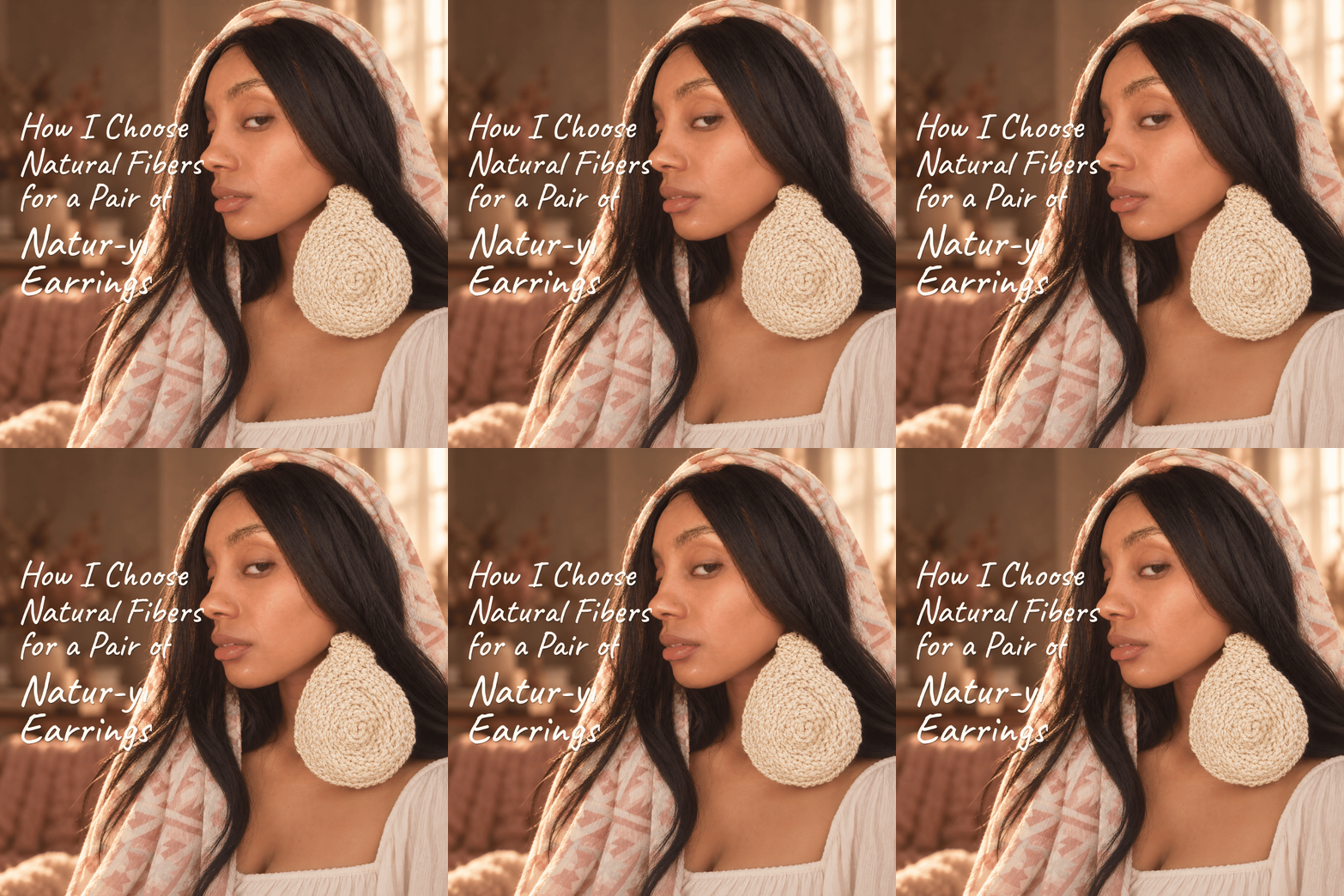
Choosing a fiber for earrings means looking beyond a pretty color. I want to know what the strand contains, how it behaves in a small shape, and what I can honestly say about the finished pair. For Natur-yl, that starts with a materials notebook before a product description.
A soft, simple design is the direction. The details still matter: the fiber, the findings, and the way the pair comes together. This is a look at the questions behind that choice, rather than a finished-product reveal.
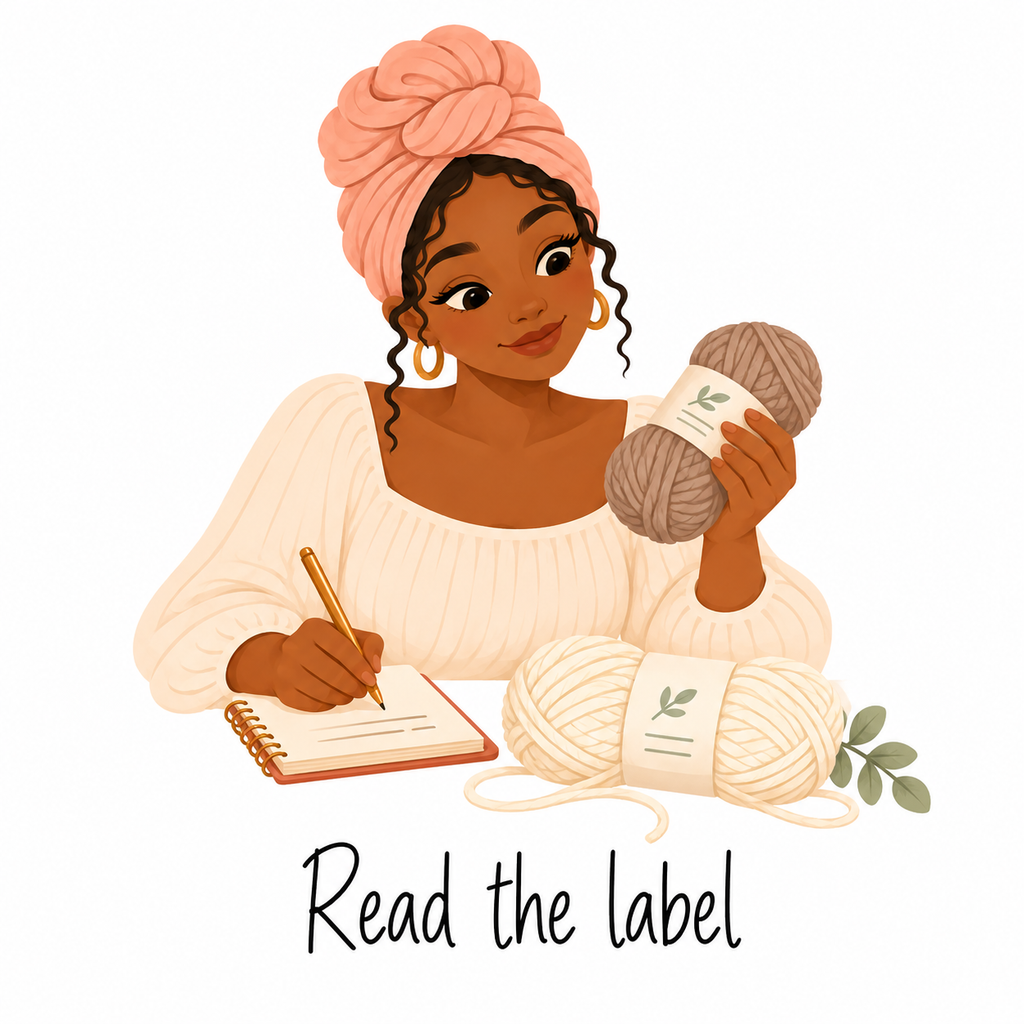
Start with what the label actually says
“Natural” is a starting point, not a complete materials list. Cotton and wool are different fibers, and a yarn can contain a blend. Before naming a material in a listing, keep the label or supplier description with the making notes. Record the stated fiber percentages and identify which part of the earring they describe.
A cotton body does not make every component cotton. Hooks, jump rings, thread, backing, and any adhesive need their own notes. If a component is uncertain, leave the claim out until it is checked.
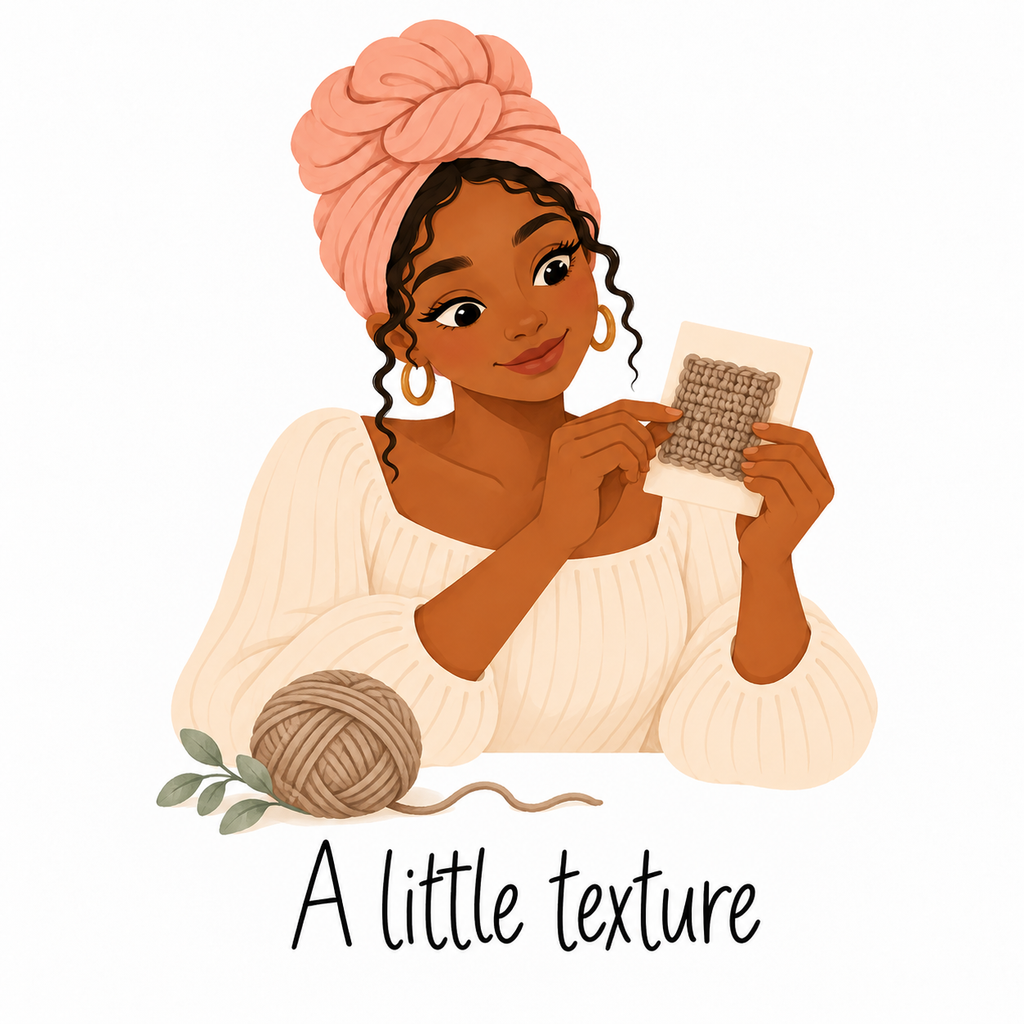
Look at texture at the scale of an earring
A strand can look lovely in a skein and behave differently in a small piece. Make a sample in the intended shape. Look at the edges, the thickness, and whether the detail is still visible from a little distance. Hold it against a plain card so the background does not do all the work.
Ask a practical question: does this texture suit the design? A soft outline and a defined outline can both be beautiful. Choose deliberately, and keep a note of the sample that produced the result you wanted.
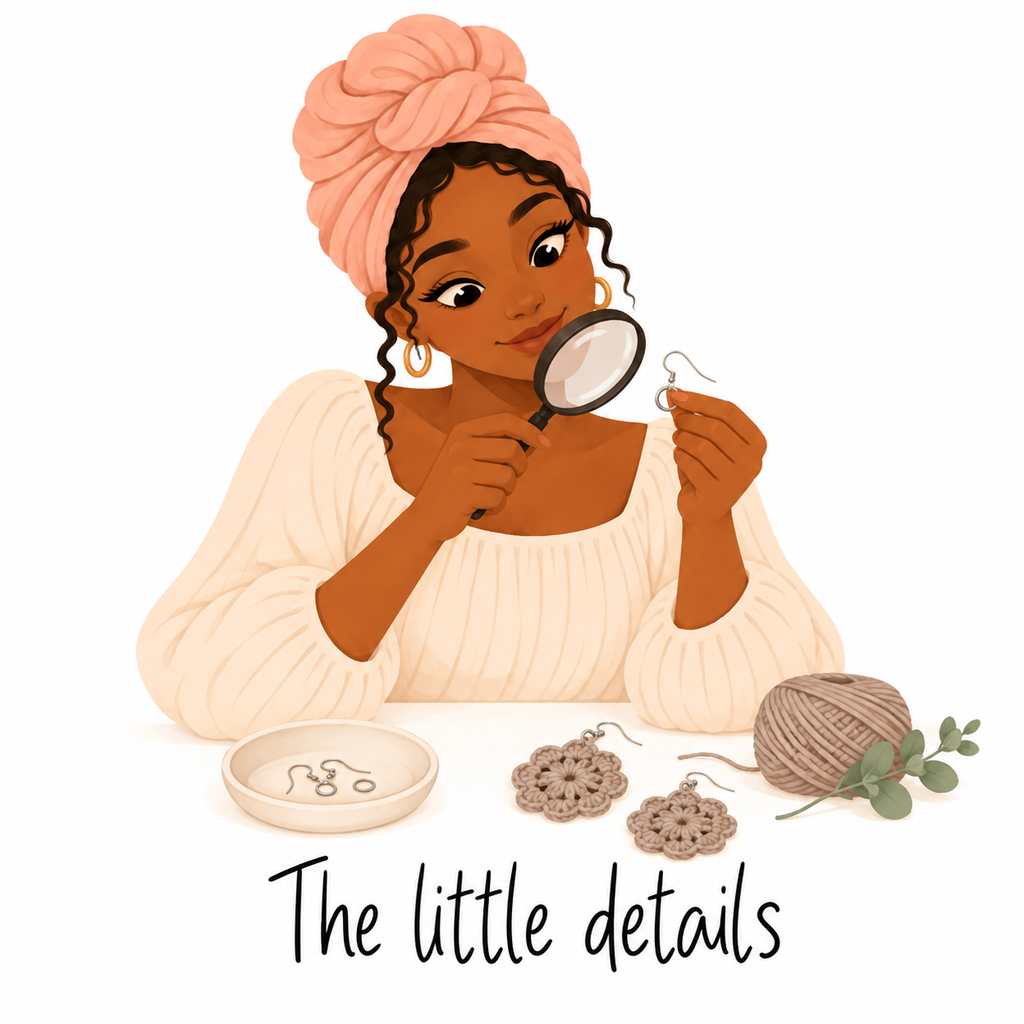
Check the whole pair, including the hooks
The fiber gets the close-up, but the findings are part of what someone wears. Record the supplier’s stated hook metal separately. A silver-colored finish alone does not establish what the metal is.
Do not turn an unconfirmed metal description into a comfort or allergy promise. A useful product description tells the reader what is known, including the component involved, so she can make her own decision.
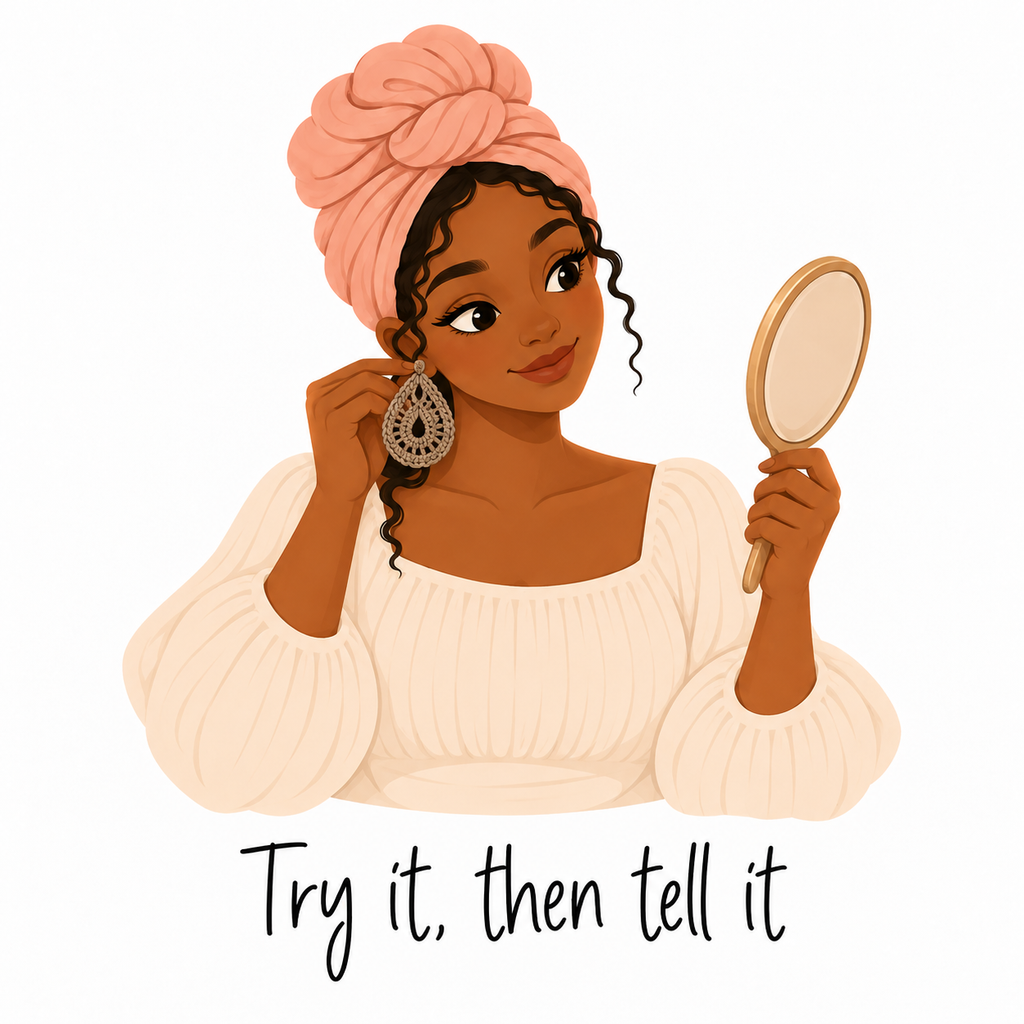
Try the actual sample before writing the reveal
Once a pair exists, look at how it hangs and moves. Check that the two pieces belong together, that connections are secure, and that the finish matches what you intend to show. If you wear-test the sample, describe only what you observed. “Lightweight” should not stand in for an actual weight or a clear description of the specific pair.
The same honesty applies to photographs. A close-up of the real materials and the real finished piece says more than an illustration that looks like a product photograph. The artwork accompanying this notebook is illustrative; it does not show an available Natur-yl pair.
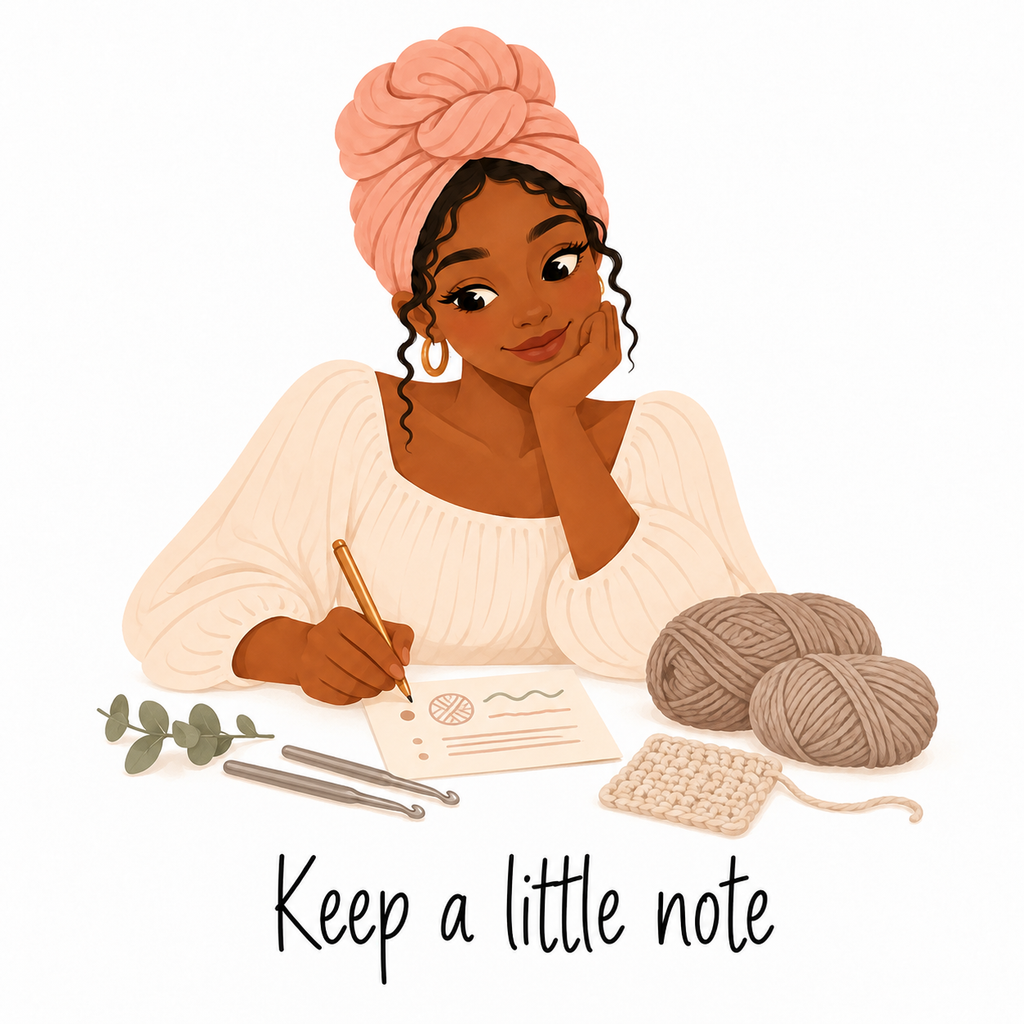
Keep one simple materials card
- Fiber: exact composition stated by the label or supplier.
- Source: supplier and label information kept with the sample.
- Findings: stated metal for hooks and other components.
- Construction: what was used to assemble this pair.
- Sample notes: shape, movement, finish, and any changes made.
- Care: instructions appropriate to the actual materials, once confirmed.
That card becomes the foundation for a clear description. It also helps separate the brand’s direction from the facts of one particular item. Wanting natural materials is a creative intention; naming the materials in a pair is a specific claim to check.
Let the making take the time it needs
There is something satisfying about paying attention to a small object. The fibers, a neat connection, the way a shape rests against a card—those details can carry the whole design without adding more decoration.
If your making space shares a room with everything else, the one-corner workday reset offers a small place to begin. A clear patch of table and one materials card can be enough for the next step.
For this Natur-yl notebook, the next step is to document an actual pair: fiber label, hook information, process close-up, and finished view. Which detail would you like to see first—the texture or how the pair comes together?
~Until next time~

Leave a Reply